What Is the Best Season to Travel to Japan?

Picking when to go is probably the decision that affects your trip the most, more than the itinerary or the budget breakdown. Get the timing wrong and you’ll spend half your trip navigating crowds or sweating through a shirt at 9am. Get it right and Japan does most of the work for you..
Japan hit 42.7 million international visitors in 2025. Tokyo sits third on Euromonitor’s global city ranking that same year. We mention this not to pad the intro but because those numbers have real consequences on the ground. More people chasing the same temples, same trains, same ryokans. Figuring out the best time to travel to Japan used to be simpler. Now it takes a bit more thinking.
Best time to travel to Japan and why: Spring feels like the obvious choice. It mostly is.
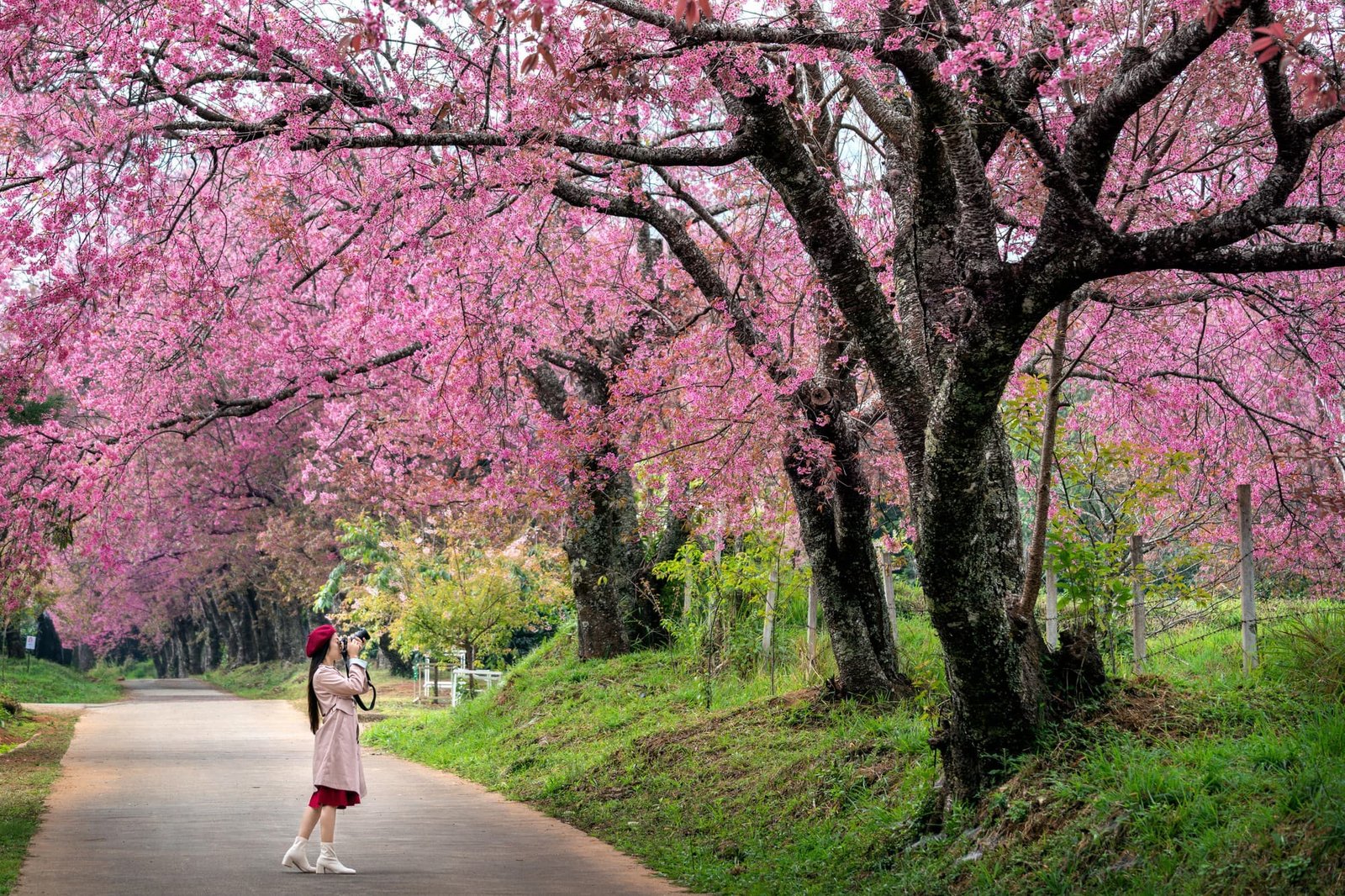
Late March, early April. The sakura does what it does and Japan becomes genuinely hard to believe. Pale pink everywhere, hanami picnics in every park, people sitting under trees eating convenience store onigiri like it’s a religious experience. First time in Japan? Spring makes sense. The cherry blossoms live up to the reputation.
What doesn’t get mentioned enough is the sheer volume of people arriving at the same time you are. April 2025 logged 3.9 million visitors in one month alone, a 28.5% jump from the year before. Shinjuku Gyoen on a weekend in early April feels like a stadium event. Osaka Castle and the Kamo River in Kyoto are much the same. Flights and hotels also get expensive fast, and booking less than three months ahead can turn into a problem. You’re not having a quiet moment with the blossoms. You’re sharing it with thousands of strangers and their selfie sticks.
May is a smart alternative. The weather is still mild, the greenery is at its best and most of the cherry blossom crowds have already left. It is still high season, but much easier to handle. Just without the cherry blossoms.
Japan isn’t slowing down on visitor numbers. Planning around that is just part of the process now. And if you’d rather not deal with the logistics of timing everything perfectly, our tours are built around exactly that: private groups, the right places at the right moments, and none of the time wasted standing in lines that didn’t need to be that long.
Summer is genuinely tough and also genuinely good
The humidity in Tokyo and Osaka in July and August is stifling. 35 degrees, 85% humidity and direct sun. It’s a lot. June adds the tsuyu, the rainy season, which means grey skies and wet shoes for weeks, sometimes with heavy tropical storms or even typhoons. Not tornadoes, just days of very strong wind and intense rain.
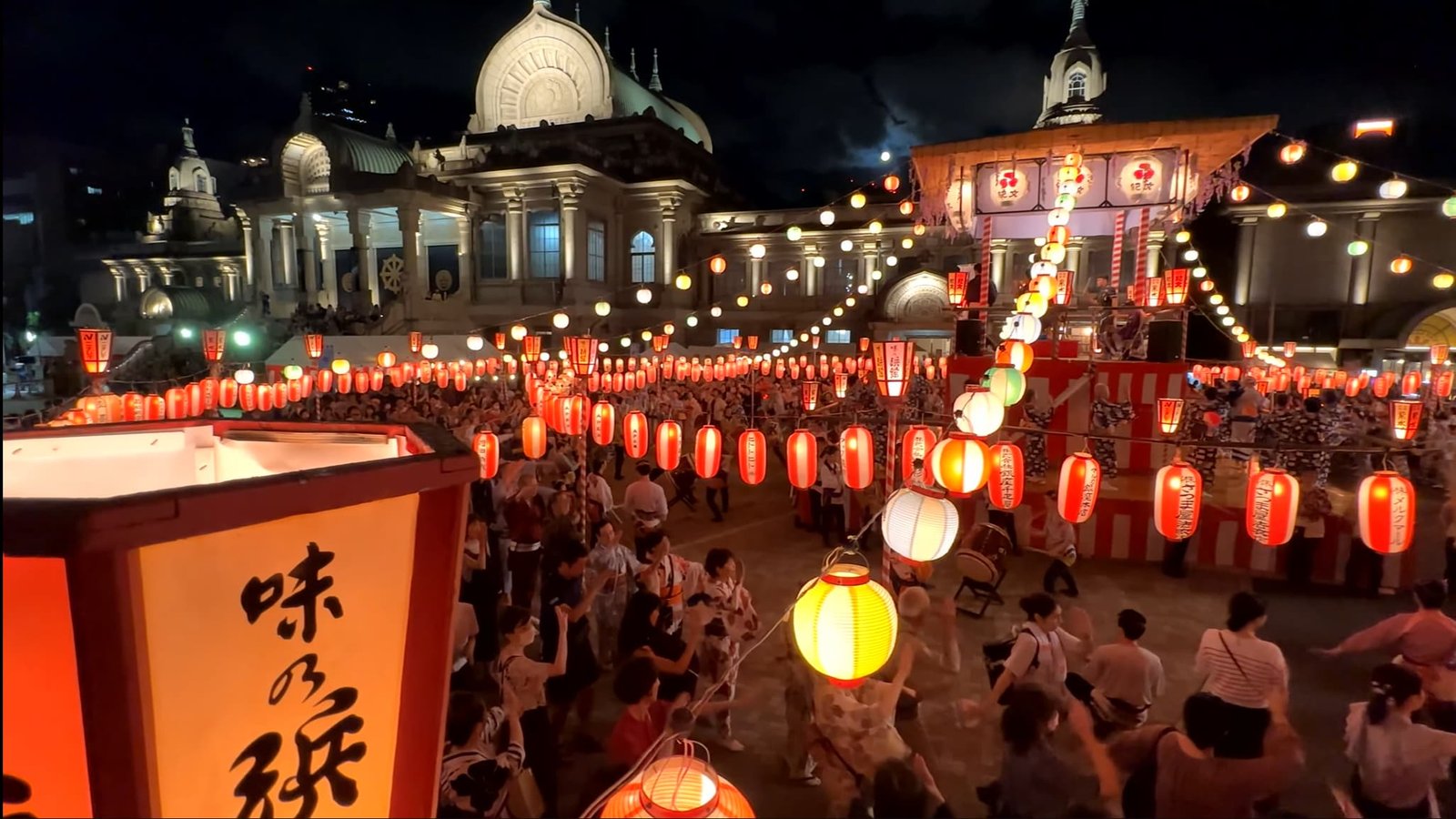
Here’s the thing though. Summer has stuff no other season has. Obon festivals in August are extraordinary, proper cultural events not tourist performances. The hanabi, fireworks shows along the coast, happen constantly through July and August and some of them draw hundreds of thousands of people for good reason. Okinawa’s beaches are at their actual best. And Hokkaido exists, with a climate so different from the rest of Japan it almost feels like a different country, cool and green while Osaka melts.
June is one of the cheapest times to fly and often one of the better windows for accommodation too. Demand falls because of the rain, especially compared with spring and autumn, and that gap shows up in prices. People asking about the best time to travel to Japan on a budget should look at June before dismissing it. If the budget is tight and the itinerary is flexible, it’s worth taking seriously.
August in the cities without a plan is the hardest version of Japan travel. The heat is intense, and some tourist areas get even busier because of Japanese domestic travel. Not impossible, just requires honesty with yourself about heat tolerance.
Autumn is what repeat visitors come back for
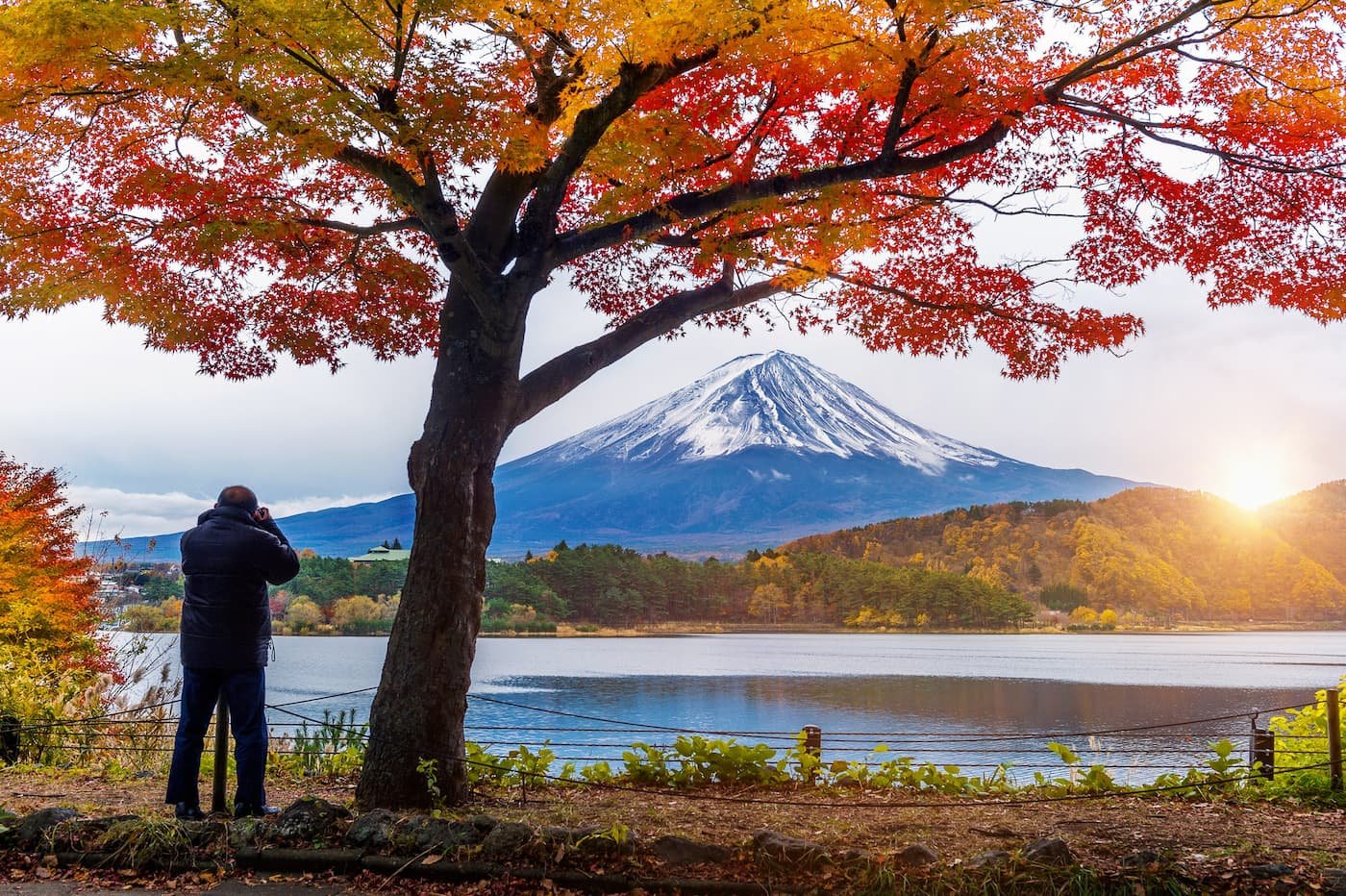
The koyo starts in the mountains in late September and gradually moves through October and November. Maple trees turn red and gold against temple rooftops in Kyoto, while places like Nikko and the gardens of Tokyo feel completely different from summer.
Weather is dry, clear, cool enough to walk eight hours without thinking about it. This is when what time of year it is best to visit Japan clicks into place for most people. October specifically tends to hit the right balance of everything at once, decent prices, manageable crowds, spectacular scenery.
October 2025 set a monthly record with 3.9 million visitors, up 17.6%. So the secret’s out. Autumn isn’t the quiet alternative it used to be. But it’s still a better experience than April for most travelers, particularly anyone who wants to actually be present in a place rather than just photograph it through someone else’s head.
Understanding the best time to travel to Japan tends to come back to autumn more than any other season. Weather, price and scenery all aligning at the same time is rare. October and early November deliver that more consistently than almost any other point in the year.
Winter is the underrated one and the numbers prove it
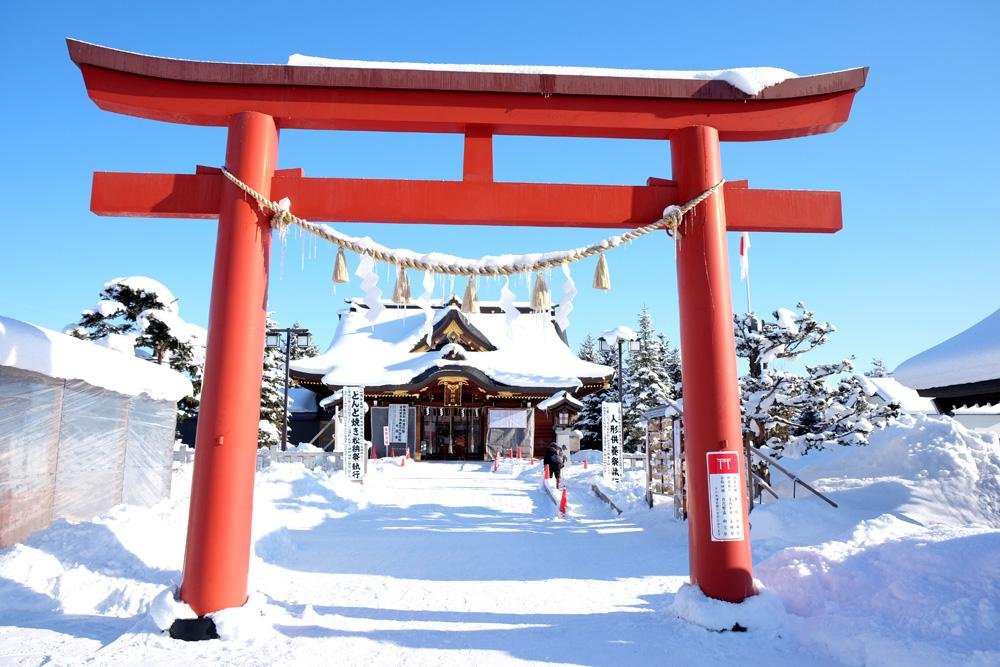
January and February are the cheapest months to fly to Japan. Not by a small margin either. Apart from Christmas and New Year, when Japanese domestic travel also picks up, these are some of the quietest months on the main tourist routes. Demand drops because people assume winter is bad, and that assumption keeps fares down for everyone else.
Kyoto in snow is a different city. Most visitors have only seen the spring version. The snow version exists and is extraordinary and quiet in a way April will never be. Hokkaido and Nagano skiing are world class, genuinely comparable to European resorts but often less expensive and with better powder. Winter food alone, ramen, nabe, grilled things in tiny izakayas with no seats, is worth building a trip around.
Tohoku and the north get properly cold. Real winter, below zero, requires actual gear. Tokyo is different. Mild winters, comfortable to walk around in a normal coat, busy city life mostly uninterrupted by the season, although light snow is still possible.
When people ask when should you not go to Japan, winter is usually the first thing they point at. That’s mostly fear of cold and not much else. Anyone who’s been in February knows it’s one of the better-kept secrets on the calendar.
So what’s the actual answer

Spring if it’s your first time and the blossoms are the point. Accept the crowds as part of the experience.
Autumn is often the safest all-round recommendation, but it depends.
Winter if budget is the deciding factor or you want space and quiet.
Summer if you can handle heat and want festivals, beaches and a trip with real personality.
The best time to travel to Japan is the one that fits what you’re actually after. That sounds obvious but most people skip that question and just pick the most popular option. Japan keeps breaking tourism records, and that trend matters when you decide how comfortable you are sharing famous places with a lot of other travelers. Sometimes the popular option works out. Sometimes you end up in Kyoto in April wondering why you can’t see the temple for the crowd.
And if you want a more local version of Japan, with an itinerary shaped around the season and without wasting time on things that are not worth it, Japon a Fondo builds tours for travelers who want more than the usual Instagram version of the country.
FAQ

When is it cheapest to travel to Japan?
January and February, consistently. The cold puts people off and prices reflect that, both for flights and hotels. June is the other option, rainy season kills demand and fares drop noticeably. Both periods get dismissed too quickly by people who haven’t looked at the actual prices.
When do the cherry blossoms bloom?
Late March to April across most of the country. Tokyo and Kyoto usually peak around late March. Head north toward Tohoku or Hokkaido and May is still realistic. Exact timing shifts every year based on winter temperatures, so the sakura zensen, Japan’s official bloom forecast updated each season, is worth checking before you buy anything.
Is summer actually worth it?
Depends entirely on how you handle heat. August in Tokyo is brutal. But Obon, the fireworks, Okinawa, Hokkaido and plenty of indoor activities with air conditioning all help. Summer has things that don’t exist any other time of year. Plan around the hottest hours, build in rest time, consider a few days in Hokkaido. Most people who go in summer and prepare for it have a good trip.
When should you not go to Japan?
There’s no genuinely bad month, only bad expectations. What time of year it is best to visit Japan comes down to what you want from the trip. August in a city with no heat plan is rough. Golden Week in late April means domestic crowds on top of international ones. Those aren’t reasons to avoid those times completely, just reasons to go in knowing what you’re walking into. The best time to travel to Japan and why always circles back to the same thing: match the season to what you actually want, not to what looks best on someone else’s Instagram.